A real estate agent coordinates the closing process by managing communication, deadlines, inspections, and paperwork across every party involved in the transaction. This coordination role is

Dated: January 28 2026
Views: 334
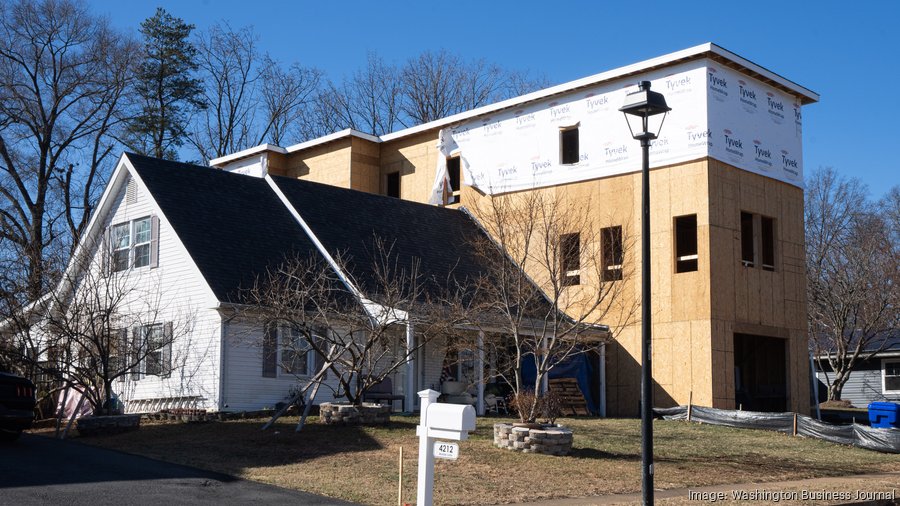
A controversial three-story home addition on Marble Lane in Fairfax County has sparked a zoning appeal and reignited community concerns about neighborhood character and thoughtful development.
The owner of the property has filed an appeal to continue construction after county officials halted the project for violating setback requirements, yet the bigger issue at hand isn’t simply a matter of inches. It’s the fact that this massive, towering structure was allowed to get this far at all.
Neighborhoods like Greenbriar are defined by a cohesive architectural scale and rhythm, typically modest, single and two-story homes with consistent setback patterns and sightlines. What’s been erected on Marble Lane is something entirely different: a vertical, domineering façade that is out of scale with its surroundings and casts shadows over neighboring yards.
As a Realtor who works and lives in this region, I can tell you that curb appeal and neighborhood consistency are not just aesthetic ideals, they directly influence property values and long-term marketability. When one property sharply deviates from the established context, it can undermine buyer confidence and destabilize pricing expectations for surrounding homes.
Here’s what happened:
The project was permitted and construction began last year.
Neighbors raised concerns as the addition grew, noting loss of sunlight, views, and an out-of-place design that feels more like a commercial wall than a residential enhancement.
Fairfax County eventually found a setback violation, the structure was built too close to the property line, and stopped work.
Now the homeowner is appealing that stop-work order, trying to press forward despite widespread neighborhood dissatisfaction.
All of this could have been avoided if compatibility standards and common sense design review had been applied before permits were issued. Instead, a project that doesn’t respect context or community concerns moved through the system.
This isn’t just about one house. It’s about how Fairfax County administers zoning and design oversight. When exceptions are made or standards aren’t clearly enforced:
Neighbors feel disenfranchised.
Property values can suffer.
The harmony that makes these established neighborhoods desirable is chipped away.
Local officials have acknowledged these broader implications and are even considering zoning rule changes as a result. But those changes come after the fact, after the structure has already been built up, visually overwhelming its neighbors, and after thousands of dollars in construction costs (and community goodwill) have been spent.
As Realtors, neighbors, and longtime residents of Fairfax & Loudoun County, we need:
Stronger design compatibility guidelines for residential additions.
More proactive review before permits are issued.
Community input that actually shapes outcomes rather than reacting to them.
Growth and change are inevitable, but thoughtful, context-sensitive design should always be the standard, not the exception.
Transparency Statement:
To stay efficient and consistent, I use AI-assisted tools in the drafting process of my content. While technology helps with structure and clarity, the concepts, angles, and professional judgment behind this article are entirely my own.

Jose is a seasoned professional with a remarkable track record of success spanning over 25 years in the sales, mortgage, and residential real estate sectors. His unwavering commitment to a client-cent....
A real estate agent coordinates the closing process by managing communication, deadlines, inspections, and paperwork across every party involved in the transaction. This coordination role is
What Does Real Estate Seasonality Mean for Buyers?Real estate seasonality is defined as the predictable annual cycle of fluctuations in buyer demand, home inventory, and prices that repeat at
Reston Homeowners Association: 2026 Resident GuideThe Reston Homeowners Association is the primary community organization governing property standards, amenities, and neighborhood rules for most
Work With a Buyer Agent Effectively in 2026A buyer's agent is defined as a licensed real estate professional who represents the buyer's legal and financial interests throughout the entire purchase
 Copyright© 2026 REIN Inc. Information Deemed Reliable But Not Guaranteed. The listings data displayed on this medium comes in part from the Real Estate Information Network Inc.(REIN) and has been authorized by participating listing Broker Members of REIN for display. REIN's listings are based upon Data submitted by its Broker Members, and REIN therefore makes no representation or warranty regarding the accuracy of the Data. All users of REIN's listings database should confirm the accuracy of
the listing information directly with the listing agent. Copyright ©2026 REIN. REIN's listings Data and information is protected under federal copyright laws.Federal law prohibits, among other acts, the unauthorized copying or alteration of, or preparation of derivative works from, all or any part of copyrighted materials, including certain compilations of Data and information. COPYRIGHT VIOLATORS MAY BE SUBJECT TO SEVERE FINES AND PENALTIES
UNDER FEDERAL LAW.
REIN updates its listings on a daily basis. Data last updated: September 21, 2026 1:27 PM UTC
Show More...
Copyright© 2026 REIN Inc. Information Deemed Reliable But Not Guaranteed. The listings data displayed on this medium comes in part from the Real Estate Information Network Inc.(REIN) and has been authorized by participating listing Broker Members of REIN for display. REIN's listings are based upon Data submitted by its Broker Members, and REIN therefore makes no representation or warranty regarding the accuracy of the Data. All users of REIN's listings database should confirm the accuracy of
the listing information directly with the listing agent. Copyright ©2026 REIN. REIN's listings Data and information is protected under federal copyright laws.Federal law prohibits, among other acts, the unauthorized copying or alteration of, or preparation of derivative works from, all or any part of copyrighted materials, including certain compilations of Data and information. COPYRIGHT VIOLATORS MAY BE SUBJECT TO SEVERE FINES AND PENALTIES
UNDER FEDERAL LAW.
REIN updates its listings on a daily basis. Data last updated: September 21, 2026 1:27 PM UTC
Show More...
 All or a portion of the multiple listing information is provided by the Central Virginia Regional Multiple Listing Service, LLC, from a copyrighted compilation of listings. All CVR MLS information provided is deemed reliable but is not guaranteed accurate. The compilation of listings and each individual listing are ©2026 Central Virginia Regional Multiple Listing Service, LLC. All rights reserved.
All MLS listings are © 2026 Central Virginia Regional Multiple Listing Service, LLC. All
rights reserved. No one may copy and/or repost these MLS listings, or any portion thereof, without the written permission of an authorized officer of the Central Virginia Regional Multiple Listing Service, LLC.
All listings with the CVRMLS logo are provided courtesy of the IDX program.
Last Updated: September 21, 2026 1:50 PM UTC
Show More...
All or a portion of the multiple listing information is provided by the Central Virginia Regional Multiple Listing Service, LLC, from a copyrighted compilation of listings. All CVR MLS information provided is deemed reliable but is not guaranteed accurate. The compilation of listings and each individual listing are ©2026 Central Virginia Regional Multiple Listing Service, LLC. All rights reserved.
All MLS listings are © 2026 Central Virginia Regional Multiple Listing Service, LLC. All
rights reserved. No one may copy and/or repost these MLS listings, or any portion thereof, without the written permission of an authorized officer of the Central Virginia Regional Multiple Listing Service, LLC.
All listings with the CVRMLS logo are provided courtesy of the IDX program.
Last Updated: September 21, 2026 1:50 PM UTC
Show More...
 © BRIGHT, All Rights Reserved
Information Deemed Reliable But Not Guaranteed
The data relating to real estate for sale on this website appears in part through the BRIGHT Internet Data Exchange program, a voluntary cooperative exchange of
property listing data between licensed real estate brokerage firms in which
participates, and is provided by BRIGHT through a licensing agreement.
The information provided by this website is for the personal,
non-commercial use of consumers and may not be used for any purpose other than to identify prospective properties consumers may be interested in purchasing.
Data last updated: September 21, 2026 12:41 PM UTC
Some properties which appear for sale on this website may no longer be available
because they are under contract, have Closed or are no longer being offered for sale.
Some real estate firms do not participate in IDX and their listings do not appear on this website. Some properties listed with participating firms do not appear on this website at the request of the seller.
Show More...
